2026 FNPGC Conference Speakers

Rebecca Barley - Chairperson of the St'at'imc Tribal Police
Rebecca Barley is the Chair of the Stl'atl'imx Tribal Police Board and has served as a board member for over 25 years. As a strong advocate for Indigenous police governance, she brings decades of experience supporting community-based, culturally grounded policing through the First Nations Inuit Policing (FNIP) Program. Her leadership emphasizes self-determination, accountability, and the safety and well-being of Indigenous communities. Recently, she was honored with the Excellence in Police Governance Award from the Canadian Association of Police Governance (CAPG) for her significant contributions to police oversight and governance, which were highlighted at the FNPGC Conference.

Daniel Bellegarde
Daniel J. Bellegarde is a citizen of Little Black Bear’s Band of the Assiniboine-Cree in Treaty 4 Territory, southern Saskatchewan. He attended the University of Regina, Faculty of Administration, and has completed extensive specialty and professional development training.
He has held senior leadership roles including Socio-Economic Planner for the Meadow Lake Tribal Council, President of the Saskatchewan Indian Institute of Technologies, and First Vice-Chief of the Federation of Saskatchewan Indian Nations (FSIN), where he managed portfolios related to Treaty Land Entitlement, Specific Claims, Gaming, Justice and Policing, International Affairs, and Self-Government.
Daniel has also served on numerous boards and committees, including the national Board of CESO, and as a Commissioner for the Indian Specific Claims Commission from 1992 to 2009, where he was Co-Chair from 1994 to 2000.
Previously, he worked as Senior Governance Coordinator for the Treaty 4 Governance Institute and as General Manager of Wakayos Holdings Inc., a General Partner with Little Black Bear’s Band.
Now semi-retired, Daniel remains active as Justice Coordinator for Little Black Bear’s Band and as Chair of the File Hills First Nations Police Service Board of Police Commissioners, contributing to discussions around Indigenous police governance and participating in events like the FNPGC Conference.
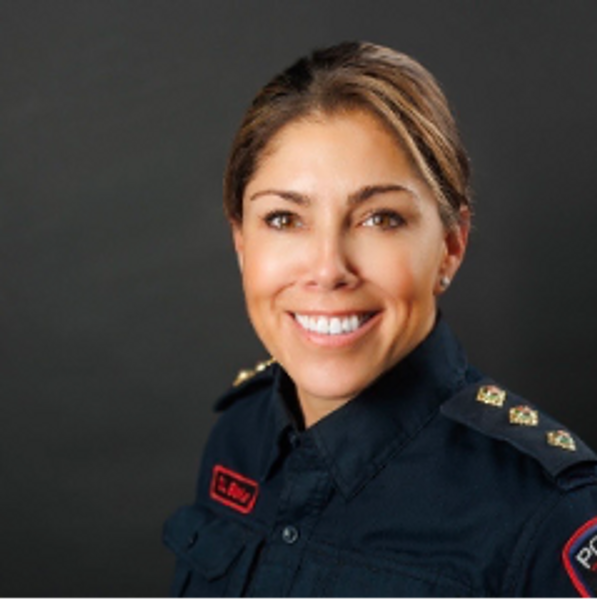
Dawn-Lyn Blake - Inspector, Tosguna Police Services
Dawn-Lyn Blake (Johnson) grew up on the Six Nations of the Grand River, part of the Haudenosaunee Confederacy, and identifies as Cayuga and Irish. She joined the Royal Canadian Mounted Police in 1998, serving for 12 years in Saskatchewan and Alberta before resigning to join the Tsuut’ina Nation Police Service in 2010. Now in her 27th year of policing, she serves as an Inspector and is a strong advocate for First Nations policing. Known for her community-centered approach, Dawn has led crime prevention initiatives that strengthen relationships between police, youth, and the community. Her commitment to Indigenous police governance is evident in her efforts to promote equitable funding for First Nations policing. In 2025, she was a proud recipient of the Esquao Awards. Outside of work, she enjoys spending time with her family, her two dogs, and traveling to warm destinations, and she looks forward to participating in the FNPGC Conference.
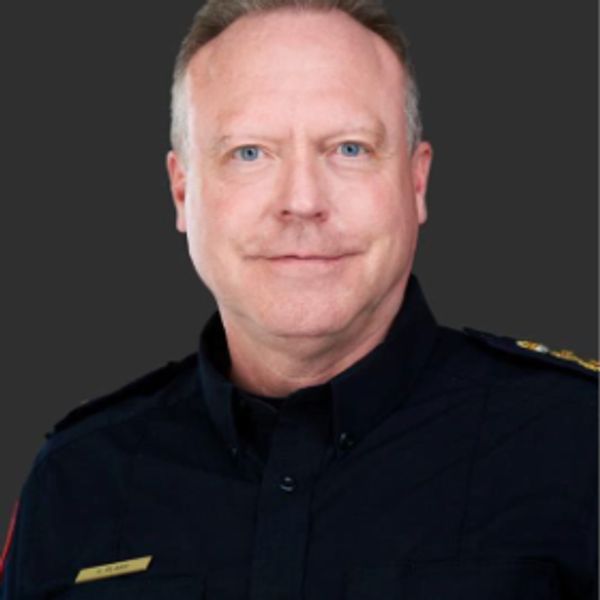
Keith Blake - Chief of Police, Tosguna
Keith Blake is the 5th Chief of Police of the Tsuut’ina Nation Police Service, serving since May 16, 2013, and leading sworn and non-sworn members in community-centered policing for the Tsuut’ina Nation. With 24 years of distinguished service in the Royal Canadian Mounted Police across Alberta, including work in seven First Nations communities, he brings a deep respect for Indigenous cultures and a vision for a justice system that addresses root causes of crime while honoring tradition. His leadership extends nationally through roles as former Vice-President of the First Nation Chiefs of Police Association, member of the Assembly of First Nations Policing Task Force, and Executive Sponsor of the Alberta Association of Chiefs of Police Policing with Indigenous Peoples committee. A strong advocate for Indigenous policing, Chief Blake has played a vital role in the FNPGC Conference to promote Indigenous police governance and has helped co-develop essential service legislation. He continues to champion sustainable, collaborative, and culturally grounded approaches to public safety across Canada.
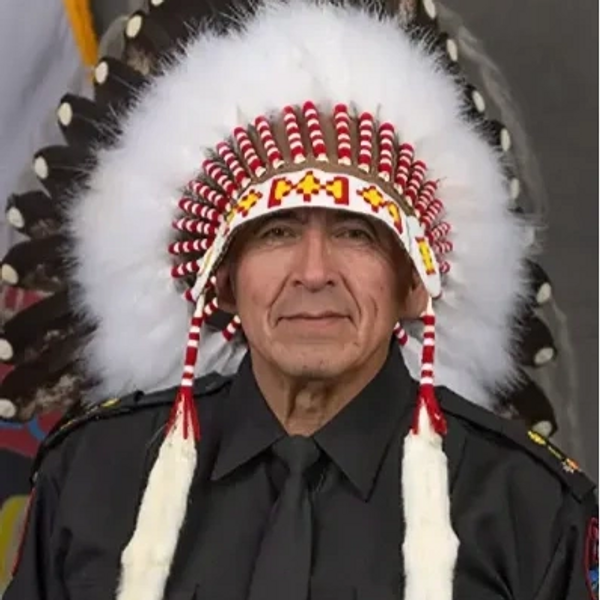
Grant Buckskin - Chief of Police, Bloodtribe Services
Chief Grant Buckskin is a proud member of the Blood Tribe and a dedicated leader with decades of experience in policing and community service, particularly in the realm of First Nations policing. Throughout his career, Chief Buckskin has championed culturally grounded policing, focusing on community safety, trust, and collaboration. His leadership emphasizes accountability, respect, and partnership with the people of Kainai Nation. At the FNPGC Conference, he continues to advocate for Indigenous police governance, guiding the Blood Tribe Police Service with a strong commitment to protecting the community while upholding the values and traditions of the Blood Tribe.

Dale Cox - Executive Advisor Lake Shore First Nations Police Services
Dale Cox began his policing career in 1976 as an RCMP Auxiliary Constable in High Prairie, Alberta, becoming a fully sworn RCMP member in 1979. He spent 30 years with the RCMP in Saskatchewan and Alberta, gaining experience in general duty, highway patrol, specialized investigations, drug enforcement, major crimes, the National Undercover Unit, and district management for the Western Alberta District.
In 2008, Dale retired from the RCMP to become the inaugural Chief of Police for the Lakeshore Regional Police Service (LRPS), a self-administered First Nation police service providing full policing services to five First Nations along Lesser Slave Lake in northwestern Alberta. His leadership in First Nations policing was pivotal, and he served as Chief for 15 years until his retirement in April 2024.
As the founding Chief, Dale built LRPS from the ground up, establishing a model that would later gain recognition at the FNPGC Conference and be acknowledged by the Federal First Nations Policing Program as a new national standard for Indigenous police governance.
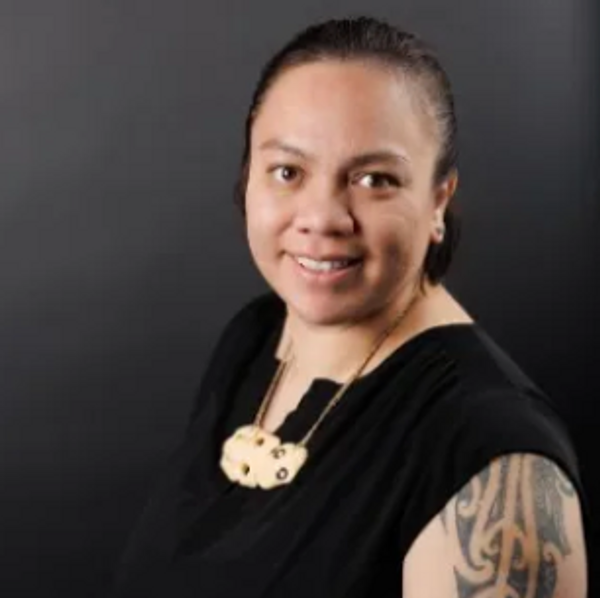
Constable Maea Crowchild - Manager of Strategic Services at Tosguna Police Service
Maea is First Nations from the Tsuut’ina Nation and Māori from the Ngāti Kahungunu. She has served with the Tsuut’ina Nation Police Service since 2014, starting as an administrative assistant, becoming a constable in 2015, and later transitioning to a civilian role as Manager of Strategic Services. Maea is actively involved in First Nations policing and has participated in initiatives like the FNPGC Conference to promote Indigenous police governance. She earned a Bachelor of Arts in Humanities from Athabasca University in 2023. Passionate about the performing arts, sports, travel, and family, she is a devoted wife and mother of two, committed to inspiring youth in her community to pursue their passions and believe that anything is achievable.

Cory Dayley - Deputy Chief Calgary Police Service
Deputy Chief Cory Dayley is in his 24th year with the Calgary Police Service (CPS) and is a member of the senior executive management team at CPS. He has extensive experience in various areas of policing, such as intelligence, counterterrorism and extremism, organized crime, guns, gangs, covert operations, cybercrime, incident command, professional standards, and training/use of force. Currently, he leads the Bureau of Support and Community Service, which includes overseeing the Fleet and Facilities Division, IT Services Division, Information Management Division, and Strategic Partnerships Division. His leadership also plays a crucial role in advancing First Nations policing initiatives and promoting Indigenous police governance, particularly in relation to discussions at the FNPGC Conference.

Jolene Dione - Indigenous Police Services, Public Safety Canada
Jolene Saulis Dione is a Maliseet woman from Tobique First Nation (Neqotkuk) with over 25 years of experience advancing the safety and well-being of Indigenous peoples through community- and culture-driven work. Her early contributions to the Sisters in Spirit initiative helped elevate national awareness of the crisis of Missing and Murdered Indigenous Women and Girls (MMIWG). She has worked on the front lines as an Indigenous Liaison Officer at Kingston Penitentiary and Millhaven Institution, supporting Indigenous offenders and advocating for culturally grounded healing and reintegration, which aligns with the principles of First Nations policing. Jolene later played a key role in the co-development and implementation of Bill C-92 (An Act respecting First Nations, Inuit and Métis children, youth and families), affirming Indigenous jurisdiction over child and family services. Now in her 17th year as a Public Servant, Jolene serves as Director of the Indigenous Police Services Division, where she is actively involved in discussions at the FNPGC Conference, and teaches in the Indigenous Studies and Victimology programs at Algonquin College, contributing to the discourse on Indigenous police governance.

Deborah Doss-Cody - Chief of Police, St'at'imc Tribal Police
Mike Evans - Executive Advisor Lake Shore First Nations Police Services

Micayla B. Hayes - FNPGC Committee Member
Micayla is a businessperson and consultant who founded and leads London Chef Inc., delivering culinary education, entertainment, and innovative programming globally. She holds a BA from the University of Toronto and an MA from King’s College London, both in Criminology, and has worked with the Centre for Crime & Justice Studies. A trained restorative justice facilitator, she has designed and piloted rehabilitative programs supporting community reintegration in correctional institutions. Micayla brings deep governance experience as Chair of the Victoria and Esquimalt Police Board, President of the BC Association of Police Boards, a director with the Canadian Association of Police Governance, and a member of the First Nations Police Governance Council (FNPGC). She actively participates in discussions around First Nations policing and has contributed to the FNPGC Conference, focusing on Indigenous police governance. Additionally, she is the mother of two young girls.
Anne Manyheads - CEO of G4 SNTTC
Teddy Manywounds - FNPGC Chair
Teddy Manywounds serves as the Chairman of the FNPGC and is a respected leader from the Tsuut’ina First Nation, proudly representing Treaty 7. As a 2-spirit member and Director for Justice and Public Safety with the G4 Stoney Nakoda Tsuut’ina Tribal Council, he is dedicated to advancing First Nations policing by shaping culturally resonant and sustainable Indigenous police governance practices that honor Treaty rights and empower First Nations communities.
Elder Mike Meguinis
Violet Meguinis - Chair Tosguna Tsuutina Police Commission
Violet Meguinis is the esteemed Chair of the Tsuut'ina Nation Police Commission, where she plays a vital role in advancing community safety and well-being through initiatives that align with First Nations policing principles. Under her leadership, the Commission operates at full capacity, working to deliver public safety services grounded in the values of the Tsuut'ina Nation.
Violet is deeply committed to the Wusa (our next generations) and is a strong advocate for integrating First Nations Natural Law into governance and public safety practices. Her leadership is also reflected in her involvement with the FNPGC Conference, where she promotes discussions on Indigenous police governance. Her efforts continue to inspire and guide the Tsuut'ina Nation.
Amanda Neveu - Annishnabek Police, Ontario
Amanda Neveu is an Anishinaabekwe and proud member of Batchewana First Nation, born and raised in Sault Ste. Marie, with deep ties to the lands and waters of Northern Ontario. She holds a Bachelor of Fine Arts from the University of Windsor and a Bachelor of Education from Western University. Amanda began her public service career with the Royal Canadian Mounted Police, where she spent over a decade as a Detachment Assistant, gaining extensive experience in operations, administration, and community-facing work. In 2021, she joined the Anishinabek Police Service, aligning her professional path with her commitment to community connection, cultural engagement, and member wellness. Her work in First Nations policing reflects her dedication to Indigenous police governance. Additionally, Amanda actively participates in initiatives like the FNPGC Conference to further support these efforts. Outside of work, she values time with her children and family, and finds peace at her cottage on Lake Superior.
Tyler Oka - FNPGC Committee Member
Tyler Oka is a leader in Indigenous police governance from the Kainai First Nation, bringing extensive hands-on experience in advancing community-led public safety initiatives. He is a Board member of the First Nations Chiefs of Police Governance Council (FNPGC) and serves as Vice Chair of the Blood Tribe Police Commission. His work encompasses strategic direction, policy development, accountability frameworks, performance oversight, budgeting, and culturally responsive service standards. Through close oversight of the Police Chief, Oka shapes a First Nations policing service that is deeply rooted in culture, history, and tradition, ensuring alignment with community values and fostering meaningful engagement and accountability. He extends his expertise through his consulting practice, collaborating with First Nation leadership to design policing and public safety systems that promote self-determination, enhance local accountability, and prioritize cultural knowledge throughout policy and program development. Oka's contributions are particularly highlighted during events like the FNPGC Conference, where discussions on First Nations policing are critical.
Dr. Jill Price
Dr. Jill Price is a Research Associate at the Canadian Institute for Public Safety Research and Treatment (CIPSRT), located on Treaty 4 and the homeland of the Métis. She leads a team evaluating internet-delivered cognitive behavioral therapy (ICBT), a free and confidential online mental health treatment developed with and for first responders, public safety personnel, and their families. Dr. Price's work aligns with the discussions at the FNPGC Conference, focusing on improving mental health resources for Indigenous police governance and First Nations policing.
Dr. Stephen Reid - Executive Director CAPG & FNPGC Member
For over a decade, Stephen Reid has been involved in studying and working in Canadian policing, with a particular focus on First Nations policing. Before taking on his current role as Chief Executive Officer of the Canadian Association of Police Governance (CAPG), Stephen served as Executive Director of the Police Association of Ontario (PAO). He is dedicated to advancing police-based academic research, particularly in the context of Indigenous police governance, through his volunteer role as Director of Communications for the Canadian Society of Evidence-based Policing. Stephen's commitment to these areas is further highlighted by his involvement in initiatives such as the FNPGC Conference.
Derek McIntyre - Acting Deputy Chief Edmonton Police Service
Acting Deputy Chief Derek McIntyre is a committed leader with 29 years of service in urban policing, currently serving as a Project Lead in the Office of the Chief, Edmonton Police Service (EPS). Derek specializes in leveraging data, technology, and evidence-based approaches to drive organizational change, operational efficiency, and strategic development, particularly in the context of First Nations policing and Indigenous police governance.
He has led major initiatives including the development and implementation of the EPS Diversion & Desistance Branch, the Mental Health Apprehension Transfer of Care protocol, and several advancements in service delivery for vulnerable populations.
Derek’s commitment to inclusive workplaces is reflected in innovative partnerships with neurodiverse employees, resulting in recognition as the recipient of the CACP/Axon Equity, Diversity & Inclusion Leadership Award for 2025. His efforts were also highlighted during discussions at the FNPGC Conference, showcasing his dedication to improving community safety.
One of Derek’s most valued personal and professional achievements came in 2021 when Elder Ruth Cardinal De Ubiera performed a star blanket ceremony for him in recognition of his work with Indigenous women at Buffalo Sage Wellness Lodge in Edmonton.
Nicole Robertson
Nicole Robertson is an award-winning media producer, storyteller, and advocate who has dedicated over three decades to advancing awareness of Indigenous Peoples through film, television, and media. She founded Muskwa Productions 24 years ago, grounding its work in truth, justice, courage, and benevolence, and has written, directed, and produced projects across Canada, the United States, and the United Kingdom. Rooted in her Rocky Cree (Asinikaw-Ithiniwak) worldview, Nicole is a member of the Mathias Colomb Cree Nation and is widely respected for breaking down stereotypes, guiding cultural protocols in mainstream screen industries, and building bridges between Indigenous and non-Indigenous communities. As a former broadcast journalist, she has created platforms connecting First Nations leadership with governments, the private sector, and international business leaders, and has been an advocate for Indigenous police governance. Nicole has been profiled in Phenomenal Female Entrepreneurs by Second Story Press, was the first Indigenous Board Director with Travel Alberta, and is the recipient of numerous honours, including the Aboriginal Woman Entrepreneur Award of Distinction (2009), the Queen Elizabeth II Platinum Jubilee Medal (2023), and the Indigenous Business Award from the Calgary Chamber of Commerce (2024). She is currently developing several creative projects, including a podcast and a book, and looks forward to participating in the upcoming FNPGC Conference.
Lacy Runner
Lacy Runner is the Health & Wellness Services Director for the Tsuut’ina Nation, providing culturally grounded mental health support, including equine therapy, to Treaty 7 and 8 Nations upon request. Drawing on her Dene and Secwepemc teachings, she employs a hybrid practice model to support healing. In addition to her role, Lacy serves as a trainer and facilitator with the Crisis and Trauma Resource Institute across North America, contributing her expertise to discussions surrounding Indigenous police governance. A certified First Nations Health Manager with the First Nations Health Managers Association, she advocates for the recognition of the Treaty Right to Health and equitable access to services that address Indigenous Social Determinants of Health. With a Master of Counselling Psychology, she is a Canadian Certified Counsellor and holds a BA in Criminal Justice with a minor in Indigenous Studies. Currently, she is a PhD candidate in Counselling Psychotherapy at Yorkville University and also an Adjunct Professor at the University of Calgary Cumming School of Medicine, specializing in trauma-informed and equine-assisted therapy for children and youth. Lacy's involvement in initiatives like the FNPGC Conference reflects her commitment to advancing First Nations policing and enhancing community well-being.
Taylor Sayers - UCCM Anishinaabe Police Services Director of Corporate Services
Taylor Sayers is the Director of Corporate Services with the UCCM Anishnaabe Police Service, where she provides senior leadership across the corporate functions of the service. She collaborates closely with the Police Service’s Commission and the Chief of Police to negotiate funding under the First Nations and Inuit Policing Program. Taylor was also part of the team that successfully achieved pension parity for Ontario Indigenous Police Service employees. Additionally, she has been instrumental in developing culturally responsive policing initiatives, such as the Lighting the Fire Within project, which includes a culture- and trauma-informed curriculum aimed at promoting culturally safe, trauma-informed policing and proactive mental health support for first responders. Beyond her role within the service, Taylor actively contributes to provincial and national working groups focused on enhancing the mental health of public safety personnel (PSP) and has participated in discussions at the FNPGC Conference, emphasizing the importance of Indigenous police governance.
Amtul Sidiqqui - CAPG President
Amtul Siddiqui is a longtime advocate for diversity, social connection, and cross-sector partnerships, with over 25 years of leadership in the not-for-profit sector. Her career includes senior roles with the Calgary Health Foundation, Vivo, and the Canadian Red Cross, where she served as national fundraising lead for the 2013 Alberta Floods and the 2016 Alberta Fires. She is currently the Executive Director of the Bethany Care Foundation, supporting innovative, community-centered approaches to aging well. Amtul holds a Bachelor of Science in Accounting from the University of Idaho and previously interned with the United States Department of the Treasury before settling in Canada. A deeply committed volunteer, her service includes the CIBC Run for the Cure, RCMP multicultural committee, Vivo Board of Directors, and the Association of Fundraising Professionals. She currently serves as Chair of the Calgary Police Commission and President of the Canadian Association of Police Governance, where she emphasizes the importance of Indigenous police governance. Additionally, Amtul is actively involved in discussions surrounding First Nations policing and recently participated in the FNPGC Conference. Recently appointed to the Order of Merit of the Police Forces Committee, she was awarded the King Charles III Coronation Medal in March 2025 in recognition of her significant contributions to Canada and community leadership.
Chief Ellery Starlight - Tsuut'ina Nation
Sherri Thomas - Chair, Manitoba First Nations Police Comission
Sherri A. Thomas is the Chair of the Dakota Ojibway Tribal Council Police Commission, the governing authority overseeing the Manitoba First Nations Police Service, where she has dedicated over a decade to providing leadership, governance oversight, and strategic direction. With more than 20 years of experience in health management, Sherri also serves as the Executive Director of the Ginew Wellness Center, an Indigenous-led organization that delivers integrated, culturally safe health services. Her leadership effectively bridges health and public safety systems, emphasizing community-driven, Indigenous-led approaches. During her tenure with the Manitoba First Nations Police Service, she has championed various initiatives, including the Operational Review, strategic planning, and crisis and emergency management, while prioritizing governance models that ensure community engagement and culturally safe, responsive, and sustainable policing services. Sherri has also contributed to discussions at the FNPGC Conference, focusing on Indigenous police governance and its impact on First Nations policing. Outside of her professional commitments, she cherishes time spent with her partner, two sons, and grandchild.
Chief of Police, RAMA Police Services
Jerel (Jerry) Swamp has 34 years of policing experience in First Nations communities, including 27 years serving his home community of Akwesasne, eight of those as Chief of Police. Since October 2018, he has served as Chief of Police of the Rama Police Service, where he has been a strong advocate for First Nations policing. Previously, he spent over 15 years leading significant criminal investigations involving death inquiries, weapons, human and controlled-substance trafficking, and cross-border conspiracies between Canada and the United States. Chief Swamp is the Past-President of the First Nations Chiefs of Police Association and a Vice President of the Canadian Association of Chiefs of Police, often sharing his insights at events like the FNPGC Conference. His contributions to Indigenous police governance have been recognized with several accolades, including the First Nations Chiefs of Police Outstanding Service Award, the Governor General’s Exemplary Service Medal (2011), the Queen’s Diamond Jubilee Award (2013), appointment to the Order of Merit of the Police Forces (2022), and the King’s Coronation Medal (2024). A frequent national presenter, he remains a strong voice for First Nations policing and public safety across Canada.
Dwayne Zacharie - Chief Kahnawake Peacekeepers
Dwayne Zacharie has been with the Kahnawake Peacekeepers since 1997 and currently serves as the Chief Peacekeeper, overseeing all aspects of First Nations policing. His leadership extends beyond local responsibilities; in 2013, he was elected President of the First Nations Chiefs of Police Association of Quebec, and in 2016, he took on the role of President of the First Nations Chiefs of Police Association (FNCPA). These national organizations play a crucial role in promoting Indigenous police governance and representing stand-alone First Nation Police Services across Canada. In October 2018, Chief Dwayne Zacharie was re-elected as President of FNCPA. The association focuses on building capacity to enhance the standards of policing services offered to Native communities. Additionally, on October 31st, 2019, he was inducted into The Order Of Merit Of The Police Forces by Governor General Julie Payette, a recognition established in October 2000 to honor exceptional service in Canadian police services. His contributions were also highlighted at the FNPGC Conference, where discussions on improving First Nations policing were central.